
One of the towering truths that set Biblical Christianity apart from other religions and worldviews is the double-sided concept of human significance and free will. While other worldviews embrace fatalism, (“What will be will be.”), and the insignificance of the individual, Christianity boldly asserts that people are designed to make an eternal difference in the world. In contemplating man, the Psalmist declared, “You have made him a little lower than the angels, You have crowned him with glory and majesty! You have made him to rule over the works of Your hands; You have put all things under his feet.” (Psalm 8:5-6)
But do we live as if it’s true? Many in today’s church seem to settle for insignificance and practical fatalism:
“It is what it is.”
“What will be will be.”
“We’re helpless against the system.
“What difference can I make?”
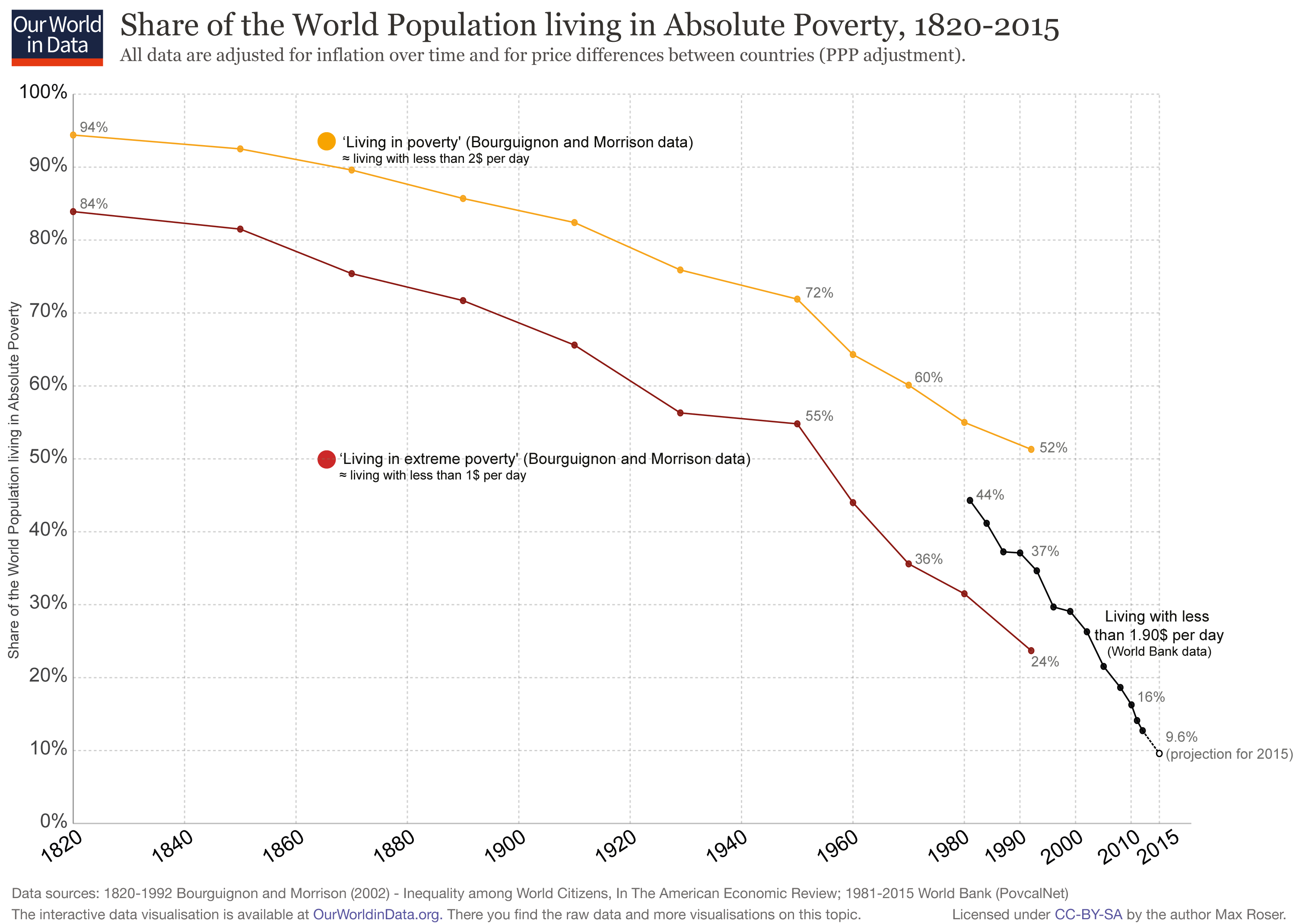
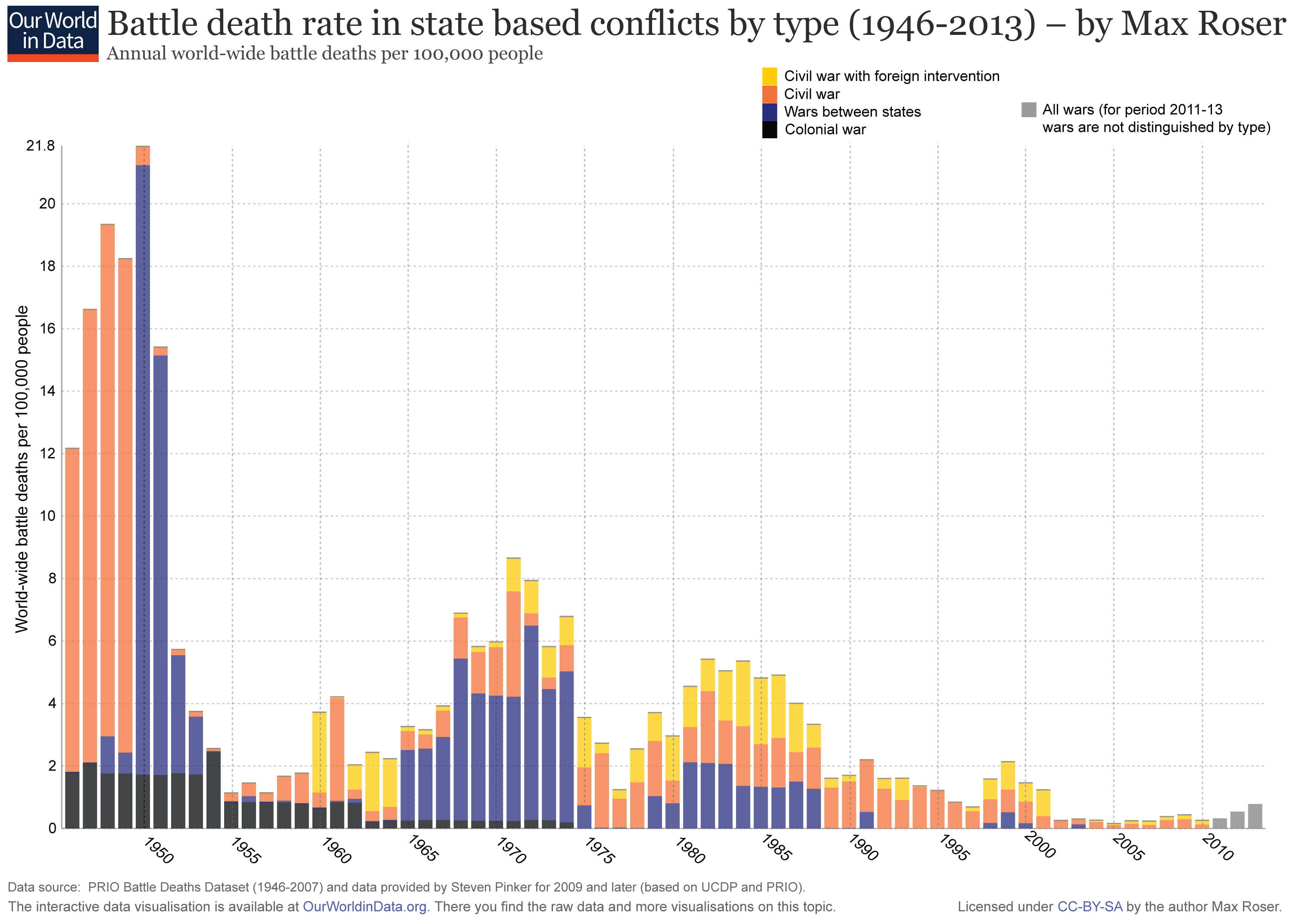
It shows up in our meager prayer lives and in the way we quickly consign the government, the culture, the educational system, and the creative arts to the ash heap of darkness. When was the last time any of us were a part of a well-attended prayer meeting for our community, the epidemic drug problem, or the specter of another world war? It shows in our theology every time we casually accept the idea that the world must become darker and darker until Jesus is forced to intervene and snatch us away to heaven.
“There was a small city with few men in it and a great king came to it, surrounded it and constructed large siege works against it. But there was found in it a poor wise man, and he delivered the city by his wisdom.” – Ecclesiastes 9:14-15 The scriptures are brimming with stories of mere men and women who changed history.
“… if you have faith the size of a mustard seed, you will say to this mountain, ‘Move from here to there,’ and it will move; and nothing will be impossible to you.” – Matthew 17;20
We are not helpless slaves to fate, but children of a God who lives among us to impact the world. May our prayers, our actions and our words reflect that reality.

 Dispatches from the Shadowlands